Player 3 Entered the Game Svg Review for Real Embroidery Projects
As an experienced embroidery designer and product reviewer, I’ve seen my fair share of digital embroidery files. Some are just okay—functional but forgettable. Others really stand out, not only for their visual appeal but also for how they translate into a stitched design that looks great on real products. Player 3 Entered the Game Svg is one of those designs that immediately caught my attention, both as a creative asset and as something with potential for commercial use.
First Impressions: A Bold, Playful Statement
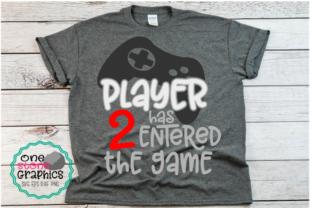
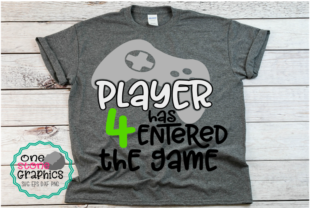
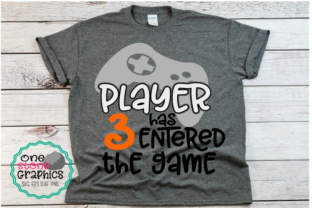
The moment I unzipped the file and opened up the SVG in my software, I was struck by the confident and dynamic layout of Player 3 Entered the Game. The typography is crisp, with a retro gaming vibe that makes it instantly recognizable. The text has a strong visual hierarchy, which means it’s easy to read even at a glance. This kind of clarity is essential when you’re working on custom apparel or handmade items where legibility can make or break the final look.
What I like most is the balance between simplicity and personality. It doesn’t try too hard—it avoids over-the-top effects or unnecessary embellishments, yet still feels bold and expressive. That’s a rare quality in machine embroidery designs. For someone running a craft business or selling personalized gifts, this is a big plus. You want your customers to know what they’re getting before they buy it, and this design delivers that message clearly and stylishly.
Real-Life Application: What Works Well
Let’s talk about practical use. If you're looking to create a custom sweatshirt or tote bag for a fan of retro video games, this design fits right in. The clean lines and minimal detail mean it stitches well without overcomplicating things. I see it working especially well for:
- Custom Apparel: Sweatshirts, t-shirts, and hoodies where the design needs to pop against the fabric background.
- Handmade Products: Think embroidered aprons or baby clothes where a fun, modern touch adds value.
- Commercial Embroidery: Its straightforward format makes it ideal for small shop products or Etsy listings that need quick turnaround.
- Patches and Decor: As an embroidered patch, it could be sewn onto backpacks, jackets, or denim. The structure of the design allows for clear stitch outlines and good coverage with satin stitch.
- Printable Mockups: The PNG included in the zip is high-quality, making it perfect for showcasing your digital embroidery file in online shops or social media previews.
One of the standout features is its versatility across different formats. Having access to SVG, DXF, EPS, and PNG gives me confidence in using it on various platforms and for multiple purposes. Whether I’m preparing a sweatshirt embroidery project or designing a set of holiday gifts, the ability to scale and adjust the design is invaluable.
Where to Use with Care
While Player 3 Entered the Game Svg is adaptable, there are a few situations where it might not perform as expected. Here are some considerations based on my experience:
- Small Hoop Sizes: The design may lose impact if used on tiny surfaces. I recommend confirming the minimum hoop size required before starting a project.
- Textured Fabrics: On materials like canvas or heavy denim, the fine details of the letters might get lost. Always test on scrap fabric first.
- Stretchy or Thin Fabrics: These can cause distortion or thread tension issues. A proper stabilizer will be necessary to maintain stitch integrity.
- Dark Backgrounds: While the PNG preview shows contrast well, thread color choice becomes critical here. Consider using lighter shades or metallic threads for better visibility.
- Curved Surfaces: Patches or caps with curves might require some manual tweaking to ensure the design lies flat and stitches evenly.
- Dense Stitch Areas: If the design includes fill stitches, be mindful of stitch density settings. Too much can lead to puckering, while too little can make the design appear incomplete.
These aren’t deal-breakers—they’re simply reminders to treat each project with care. Especially for Etsy sellers or small shop product creators who rely on consistent quality, testing is key.
Design Impact on Visual Appeal and Customer Perception
When I envision Player 3 Entered the Game stitched onto a cotton sweatshirt or a linen tote bag, I see a product that exudes charm and character. The retro font style taps into a niche market that loves vintage aesthetics, gaming culture, and minimalist design. That’s a powerful combination for boosting buyer engagement.
For personalized gifts, the design brings a sense of playfulness that works especially well for birthdays, holidays, or gamer-themed events. It’s the kind of detail that makes a gift memorable and meaningful. And in terms of brand consistency, it can serve as a subtle but effective logo for a boutique selling retro-inspired merchandise.
From a stitching perspective, the clarity of the applique design elements ensures that even beginners can produce professional-looking results. That said, advanced users will appreciate the opportunity to tweak colors, spacing, and stitch types for optimal presentation.
Designer Notes: Tips Before Using Player 3 Entered the Game Svg
If you're planning to use Player 3 Entered the Game in your next embroidery project, here are some practical tips to keep in mind:
- Test on Scrap Fabric: Always run a trial stitch to check for any issues with the design's structure or alignment.
- Review Thread Color Contrast: Make sure the chosen thread colors stand out against your fabric. Darker fabrics may need bolder choices.
- Check Stitch Density: Adjust the density of fill or satin stitches to match the fabric weight and avoid puckering.
- Confirm Hoop Size: Although the exact dimensions aren’t listed, scaling the design to fit within a suitable hoop is important for maintaining shape and clarity.
- Inspect Small Details: Look closely at lettering and corners. If they’re too tight or intricate, consider simplifying them for certain projects.
- Use Proper Stabilizer: Especially for stretchy or delicate fabrics, a good backing material is essential for preventing distortion.
- Test in Black and White: See how the design translates without color. Sometimes, a monochrome version can reveal hidden flaws or suggest new applications.
- Compare Light and Dark Backgrounds: Try stitching on both to understand how the design behaves visually and technically.
- Confirm Licensing: Before selling finished items or digital assets, double-check whether the design is available for commercial use. This listing does not specify licensing terms, so proceed with caution.
Final Thoughts for Crafters and Business Owners
In summary, Player 3 Entered the Game Svg is a solid addition to any embroidery designer’s collection. It brings a nostalgic flair that resonates with a wide audience, from casual hobbyists to dedicated craft business owners. The design’s adaptability makes it a great candidate for both personal and commercial embroidery work, provided you take the time to test and tailor it to your specific project.
I would recommend it particularly for holiday embroidery or nursery decor where a whimsical touch is appreciated. However, avoid using it on overly textured or dark materials unless you're prepared to experiment with thread and stabilizers. Overall, it’s a design that feels intentional, well-structured, and ready to bring some fun into your handmade product lineup.
If you're an apparel decorator or a digital product seller looking to expand your offerings with something fresh and relatable, this is worth considering. Just remember: always stitch a sample first, and don’t skip the stabilizer step. Your customers—and your reputation—will thank you for it.