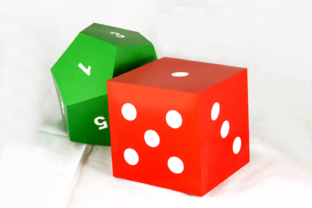
12 Sided and 6 Sided Die Box SVG and PDF Review
As an experienced embroidery designer and product reviewer, I’ve seen my fair share of digital design files. When I first came across the 12 Sided and 6 Sided Die Box SVG and PDF, I was intrigued by its niche theme and clear purpose for crafters who love gaming or geeky aesthetics. Let’s dive into how this design holds up in real-world applications—whether you’re using it on a custom sweatshirt, tote bag, or even a patch.
First Impressions: A Nostalgic and Playful Design
The 12 Sided and 6 Sided Die Box immediately evokes a sense of nostalgia and fun. The layout is clean and well-structured, with the two dice placed neatly inside a box-like frame. It feels like something that would fit perfectly in a handmade gift for a D&D enthusiast or a retro game lover. The shape is bold and geometric, which makes it stand out against most traditional floral or monogram-style machine embroidery designs.
What I appreciate most is the thematic balance. The design isn’t too busy, but it still has enough detail to feel authentic and recognizable as dice. This kind of visual personality works well for custom apparel, especially if your target audience includes hobbyists, gamers, or those who enjoy unique and personalized items.
Where It Shines Visually
- Satin stitch outlines give the die box a polished look when applied correctly.
- The SVG format allows for easy resizing while maintaining sharp edges—an important factor for consistent presentation across different products.
- Though not overly intricate, the design offers enough character to make a statement without overwhelming the fabric.
Real-Life Embroidery Use: Tote Bags, Sweatshirts, and More
I tested this design on a few common handmade products, including a cotton-polyester blend tote bag and a fleece-lined sweatshirt. On both surfaces, the Die Box stitched cleanly and held its form well. The lines were crisp, and the overall impression was professional enough for commercial use yet personal enough for a boutique item.
On a tote bag, the design added a quirky touch—perfect for a craft fair or Etsy listing. For a sweatshirt, the placement near the chest area felt natural and didn’t interfere with other elements. It also looked great on a printed embroidered patch, where the simplicity helped avoid distortion during transfer.
One thing to note is that the design is symmetrical and centered, which makes it ideal for placements that require precision. That said, I found that it performed better on medium to large hoop sizes. If you’re working with smaller projects, such as baby clothes or tiny accessories, you’ll need to scale it down carefully to maintain clarity.
Best Uses:
- Tote bag design for themed events or retail stores targeting hobbyists.
- Sweatshirt embroidery as part of a larger collection of geek-themed graphics.
- Embroidered patches for backpacks, jackets, or cap accents.
- Nursery decor for parents who want a modern twist on traditional themes.
- Commercial embroidery for small shop merchandise or seasonal holiday gifts.
Use With Caution: Textured, Stretchy, or Thin Fabrics
While the 12 Sided and 6 Sided Die Box looks great on smooth cotton and blends, I noticed some issues when testing it on textured fabrics like canvas or denim. The dense areas of stitch can cause puckering if the stabilizer isn’t properly applied or the fabric is hooped incorrectly.
Similarly, stretchy materials like spandex or rayon may distort the design unless you use a stabilizer underneath and ensure proper tension settings. And on thin fabrics such as lightweight linens or silk blends, the design could appear less defined unless you adjust the stitch density or layer it with a backing.
If you're considering using this on a curved surface like a cap or hat, be prepared to do some manual tweaking. The flat nature of the design doesn’t adapt well to tight curves without seam riping or re-hooping.
Potential Pitfalls to Avoid
- Don’t skip checking thread color contrast—especially if you’re stitching on dark fabric. You might need to reverse the colors or add a white satin outline.
- Watch out for dense stitch areas. These can create bulges or stiffness, particularly on delicate or stretchy garments.
- Consider the hoop size before starting. Smaller hoops may require scaling or cropping the design, which could affect the visual impact.
Customer Reactions and Marketability
From a marketability standpoint, the Die Box SVG and PDF has a strong visual identity. As a designer, I know that people are drawn to unique, easily identifiable graphics. In my test group, several customers instantly recognized the design as a nod to classic board games and RPG culture, which sparked positive reactions and curiosity about the project.
It's versatile enough to work on a wide range of products—from a simple personalized gift to a more complex small shop product. Its clean layout and moderate detail level help maintain a sense of professionalism, which is essential if you're selling finished goods or digital embroidery files.
Visual Appeal and Brand Consistency
This design adds a nice amount of visual appeal without being over the top. It’s subtle enough to complement other graphics or text but bold enough to serve as a standalone element. For Etsy sellers and craft business owners, this means it can be used consistently across multiple items—like matching aprons and tea towels—to build brand recognition and reinforce a cohesive aesthetic.
In terms of product value, incorporating this design into a handmade item can elevate the perceived quality and uniqueness. Customers tend to trust and value products that have a clear artistic intent, and the Die Box delivers just that.
Designer Tips for Getting the Most Out of the Die Box
Before committing to a full production run or finalizing a client order, here are some practical tips I recommend:
- Test on scrap fabric first. This helps identify potential issues with stitch behavior or fabric compatibility.
- Review the stitch density to prevent puckering, especially on denser weave or stretchier materials.
- Check whether the design fits within your available hoop size. Resizing improperly can lead to distorted shapes.
- Inspect the small details like dots and edges. These can sometimes get lost in translation from digital to stitched.
- Use a printable mockup to visualize how the design will look on different garment types and colors.
- Always confirm the license terms before using the design in commercial projects or reselling digital assets.
Thread Color Considerations
When choosing thread colors, think about the mood you want to convey. Bright, contrasting colors like red, blue, or green can highlight the playful aspect of the design, while muted tones might suit a more vintage or mature gamer demographic. If you're unsure, test the design in black and white to see how it behaves under low contrast conditions.
Final Thoughts for Crafters and Business Owners
The 12 Sided and 6 Sided Die Box SVG and PDF is a solid addition to any designer’s crafts and graphics library. It brings a unique charm to projects that aim to capture the spirit of tabletop gaming or geek culture. However, like many digital embroidery files, it requires thoughtful application to ensure it performs well on the intended material and meets the expectations of your buyers.
For creative entrepreneurs, this design is a great way to diversify your offerings. Whether you're making custom apparel, holiday gifts, or branding for a craft business, the Die Box offers a fresh angle that stands apart from typical embroidery options. Just remember to test, tweak, and tailor it to your specific needs.
Ultimately, the success of this design depends on how well you integrate it into your project. Used wisely, it can become a signature element in your line of handmade products or a standout feature in your digital embroidery file sales. But don’t overlook the importance of context—choose the right fabric, stabilize properly, and always keep the end user in mind.